Cessna Nose Gear Strut Assembly: Front Landing Gear Maintenance Solution
Cessna Nose Gear Strut Assembly: Front Landing Gear Maintenance Solution
Blog Article
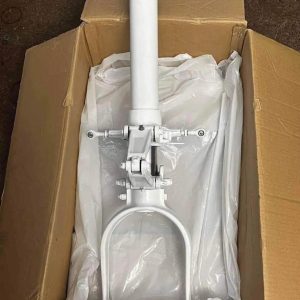
The Cessna Nose Gear Strut Assembly provides structural support, shock-management capability, and ground-handling stability for an appropriately verified Cessna aircraft installation.
Whether buyers search for a Cessna Nose Landing Gear Strut, Cessna Nose Gear Assembly, Cessna Landing Gear Strut, or Cessna Nose Strut, exact part identification should guide the purchase.
The Cessna Front Landing Gear Assembly, Aircraft Nose Gear Strut, Aircraft Nose Landing Gear Assembly, and Cessna Shock Strut Assembly terms describe related ground-support and impact-management components.
These related terms help connect the product with aircraft owners, maintenance facilities, restorers, and general aviation parts buyers.
The Cessna Steering Strut Assembly, Cessna Replacement Nose Gear, and General Aviation Landing Gear Parts keywords describe commercially relevant searches for maintenance and restoration projects.
Why Exact Landing Gear Identification Matters
The seller should provide clear photographs of the cylinder, piston, fork, steering features, mounting points, torque links, hardware, and identification markings.
Informal descriptions such as complete or ready to install should be supported by an exact inventory.
Evaluating Landing Gear Structural Responsibilities
Actual load distribution depends on aircraft weight, center of gravity, tire pressure, landing technique, surface condition, and aircraft configuration.
Any evidence of previous impact should be disclosed and investigated.
Evaluating Strut Extension and Movement
A shock strut is designed to compress and extend in a controlled manner as the aircraft encounters landing and ground loads.
Qualified maintenance supports proper Cessna Nose Gear Shock Absorber operation.
Understanding the Cessna Steering Strut Assembly
Each component should move smoothly and remain free from excessive play, binding, distortion, corrosion, and unsuitable modification.
Towing procedures should respect the aircraft’s steering limitations.
Avoiding Universal Cessna Fitment Claims
Two aircraft with similar outward appearance may use different struts, forks, cylinders, steering features, hardware, or mounting arrangements.
Qualified applicability research supports responsible Cessna Replacement Nose Gear selection.
Cylinder, Piston, and Sliding-Surface Inspection
The strut cylinder and piston surfaces should be examined for scoring, corrosion, pitting, scratches, impact marks, discoloration, and evidence of improper tool use.
The piston should move through the permitted range without binding, roughness, excessive side play, or abnormal resistance.
Inspecting the Nose Gear Strut for Leaks
Accurate leak evaluation supports dependable Cessna Nose Landing Gear Strut operation.
Any internal maintenance should be documented with parts and procedures used.
Evaluating Coastal and Outdoor Storage Damage
Corrosion may develop on external surfaces, inside bores, around fasteners, beneath paint, near mounting points, or within neglected fluid areas.
The component should be stored in a dry, controlled environment before installation.
Crack, Bend, and Impact-Damage Inspection
High-stress areas can include attachment points, fork transitions, axle regions, steering features, torque-link mounts, and previous repair locations.
A damaged assembly may also indicate concerns in the surrounding airframe structure.
Wheel Fork, Axle, and Nose Wheel Components
The axle should remain dimensionally suitable, smooth, correctly secured, and free from severe wear or thread damage.
Professional assembly supports dependable Cessna Nose Wheel Strut performance.
Preventing Nose Gear Shimmy
Bushings, bolts, washers, bearings, and attachment holes should be inspected for wear, elongation, corrosion, looseness, and inadequate lubrication.
Pivot points should move freely without binding while remaining within acceptable play limits.
Diagnosing Cessna Nose Gear Handling Concerns
The technician should inspect the complete nose gear and steering system before selecting corrective action.
Tire condition should be reviewed together with the strut, wheel, fork, axle, and steering components.
Servicing the Cessna Shock Strut
Shock-strut servicing should follow the exact aircraft maintenance procedure for fluid type, quantity, pressure, extension, loading condition, and safety precautions.
Extension should be evaluated under the loading condition specified by applicable maintenance data.
Rebuilding a Cessna Nose Gear Strut
Parts replaced, measurements taken, defects found, and repairs completed should be documented.
Reconditioning decisions depend on structural condition, dimensional limits, corrosion depth, surface damage, repair data, parts availability, and cost.
Buying a Cessna Nose Gear Strut Assembly
The buyer should obtain enough information for a qualified aviation maintenance professional to evaluate the assembly.
- Determine whether the wheel, tire, bearings, spacers, steering links, hardware, servicing fittings, records, and release documents are included.
- Arrange qualified landing-gear evaluation whenever structural condition, dimensions, repair history, compatibility, or documentation remains uncertain.
- Retain purchase records, photographs, measurements, inspection reports, maintenance documents, release paperwork, and freight records with the aircraft project file.
Preventing Damage to the Piston and Fork
Open ports and servicing fittings should be covered using suitable protective methods.
Careful freight preparation reduces damage to the Cessna Landing Gear Assembly.
Protecting the Cessna Nose Strut
Openings should remain protected from contamination.
A stored assembly should not be installed solely because get more info it was previously considered serviceable.
Connecting Steering and Structural Components
Surrounding structure should be inspected for cracks, corrosion, deformation, worn holes, and previous repair before installing the replacement assembly.
Hoses, wiring, fairings, controls, and nearby components should maintain suitable clearance through the steering and compression ranges.
After installation, technicians should verify strut extension, servicing, leakage, steering response, wheel alignment, hardware security, tire clearance, and freedom of movement.
Maintaining the Cessna Nose Landing Gear
Consistent care supports dependable Cessna Nose Landing Gear Strut operation.
Recurring concerns should prompt system-level evaluation rather than repeated isolated adjustments.
Evaluating Used Aircraft Gear Pricing
The commercial value of a Cessna Nose Gear Strut Assembly depends on exact identification, aircraft applicability, completeness, physical condition, corrosion status, leakage, repair history, overhaul records, included hardware, and documentation.
Availability of technical information, replacement parts, and qualified maintenance support can influence long-term value.
Selecting General Aviation Landing Gear Parts
When thoroughly evaluated and correctly installed, the Cessna Nose Gear Strut Assembly can become a valuable component within the aircraft’s complete landing-gear system.
The unit should not be judged solely through clean paint, smooth compression, removed-serviceable wording, or purchase price.
Whether the product is described as a Cessna Nose Gear Shock Absorber, Cessna Landing Gear Assembly, Aircraft Landing Gear Strut, or Cessna Nose Wheel Strut, aircraft-specific compatibility remains essential.
With responsible purchasing, crack and corrosion inspection, seal evaluation, correct hardware, controlled servicing, and ground-handling checks, the component can remain a valuable aviation asset.
Report this page